
Delivering Software
For Your
Product Vision
MVP
Roadmap
Developers Den is your AI-driven, high velocity, agile delivery team handling research, design, development, testing and maintenance as your technical partner.




We help startups move from idea to launch fast.
Our focus is simple: build working products in weeks, not months.
 Our Success Stories
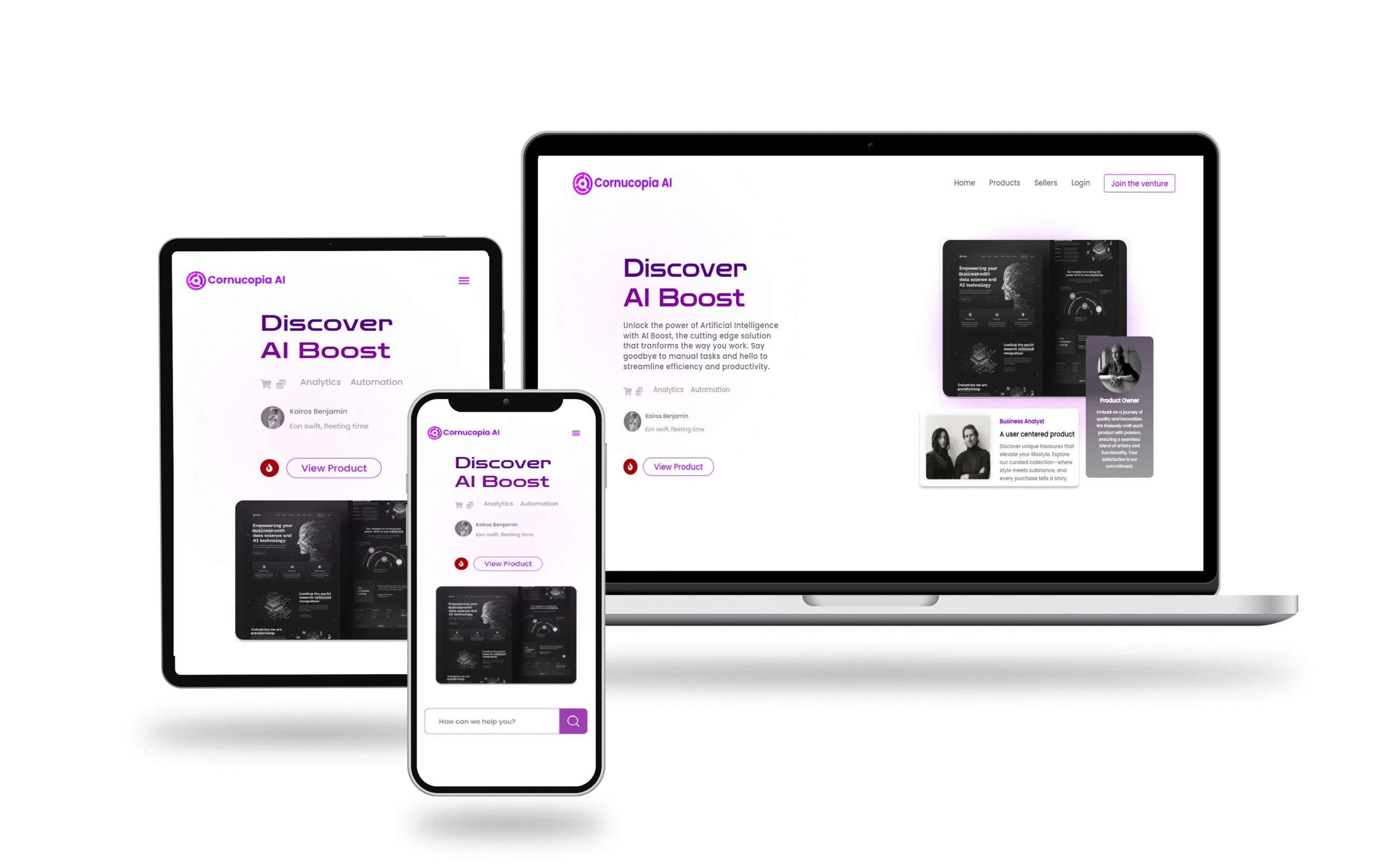




Features
- Centralized AI marketplace connecting solution developers and consumers.
- Secure payment system using Stripe Connect for seamless fund transfers.
- Direct file uploads to AWS S3 via signed URLs for faster, reliable transfers.
- User-friendly interface for easy product listing and purchasing.
- Optimized upload and payment workflows to enhance platform efficiency.
- Real-time order tracking for transparent and reliable deliveries.
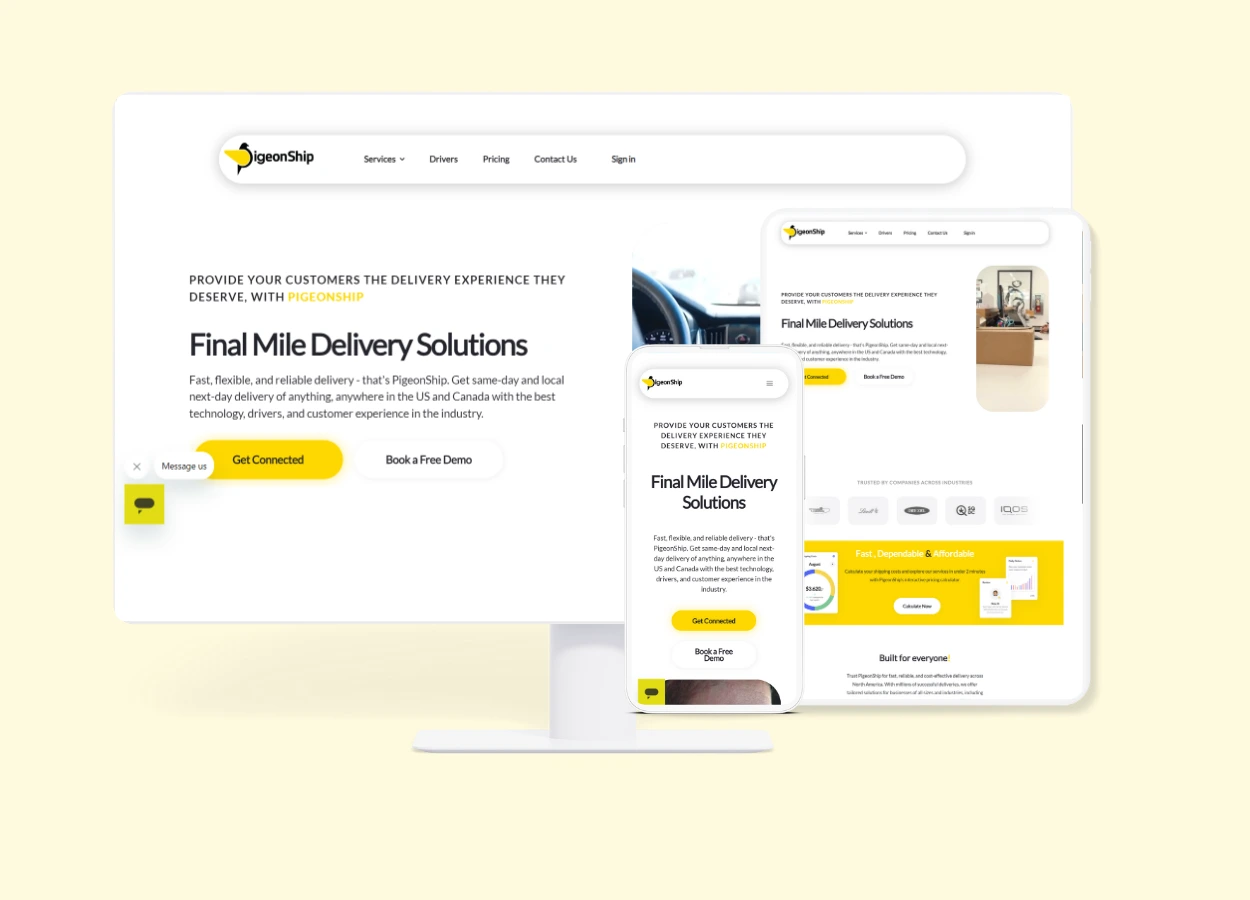




Features
- Customized delivery management system tailored to PigeonShip’s operations.
- Advanced routing system for faster and more efficient deliveries.
- Optimized pricing algorithms ensuring fair and accurate driver compensation.
- Visual confirmation feature with image uploads for verified deliveries.
- Streamlined processes improving transparency and customer satisfaction.
- Scalable infrastructure supporting high-volume deliveries during peak demand.
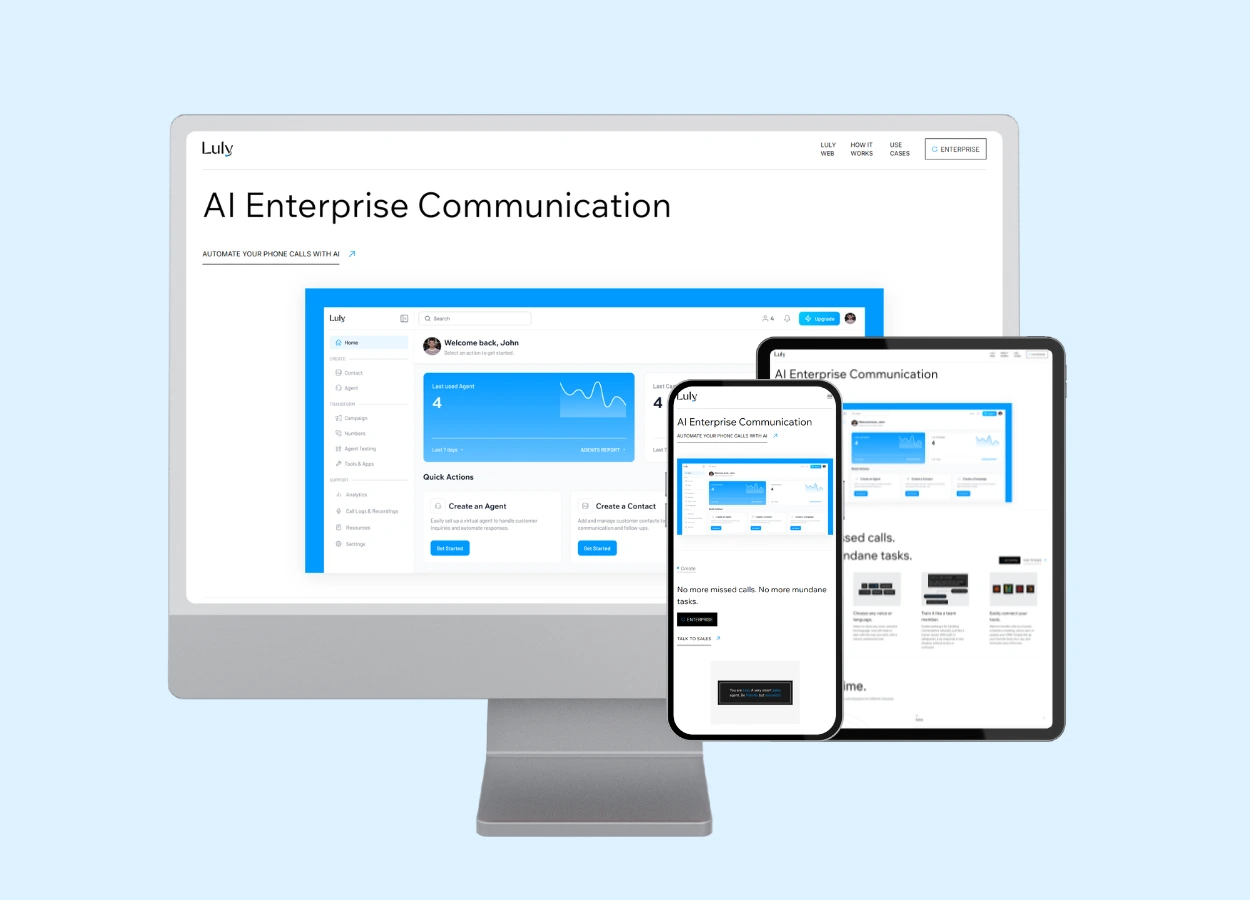




Features
- AI platform for training custom chatbot agents on user data.
- 24/7 automated call handling with zero missed calls.
- Multi-language communication support for global operations.
- Intelligent lead qualification and data capture during live calls.
- Automated appointment booking and call routing.
- CRM-ready workflows with real-time updates and insights.
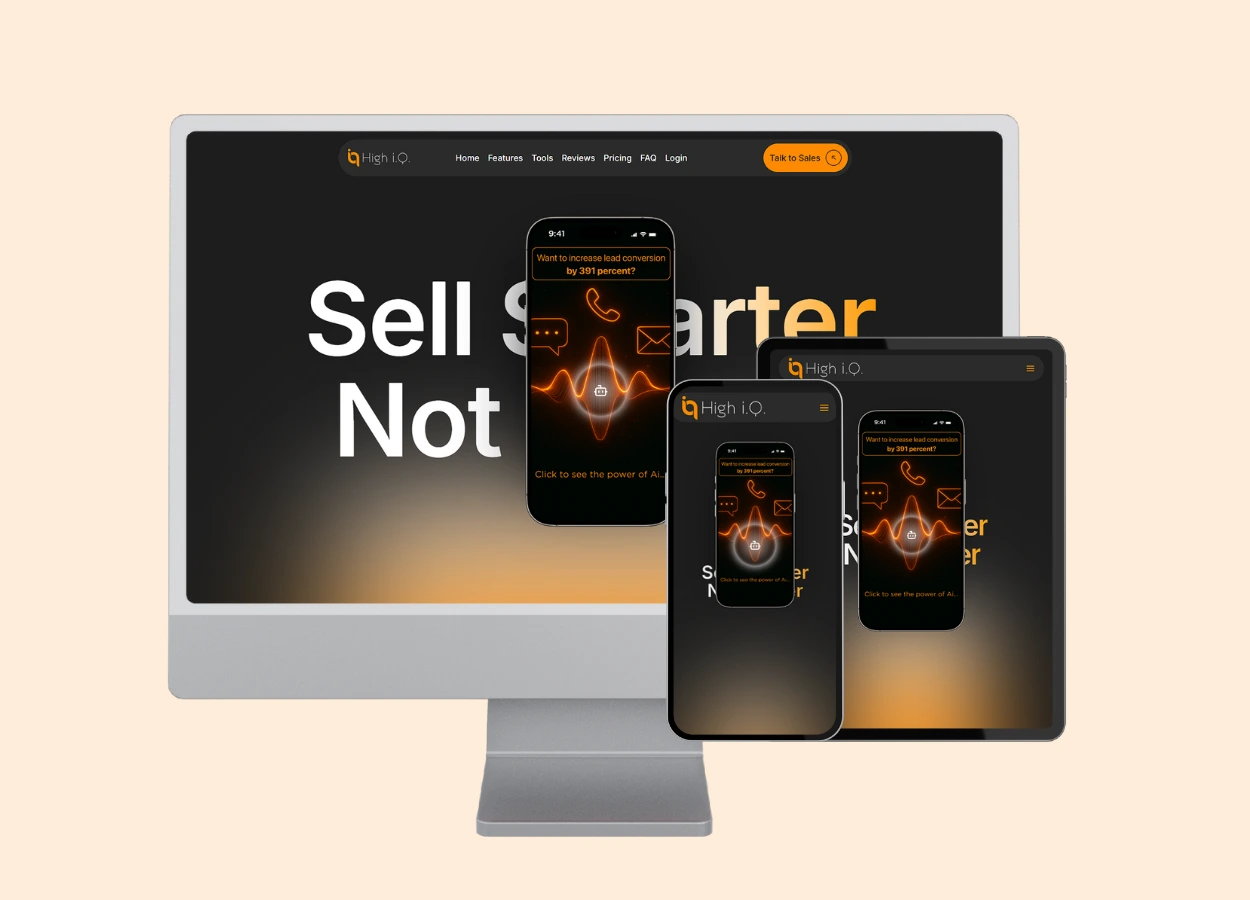




Features
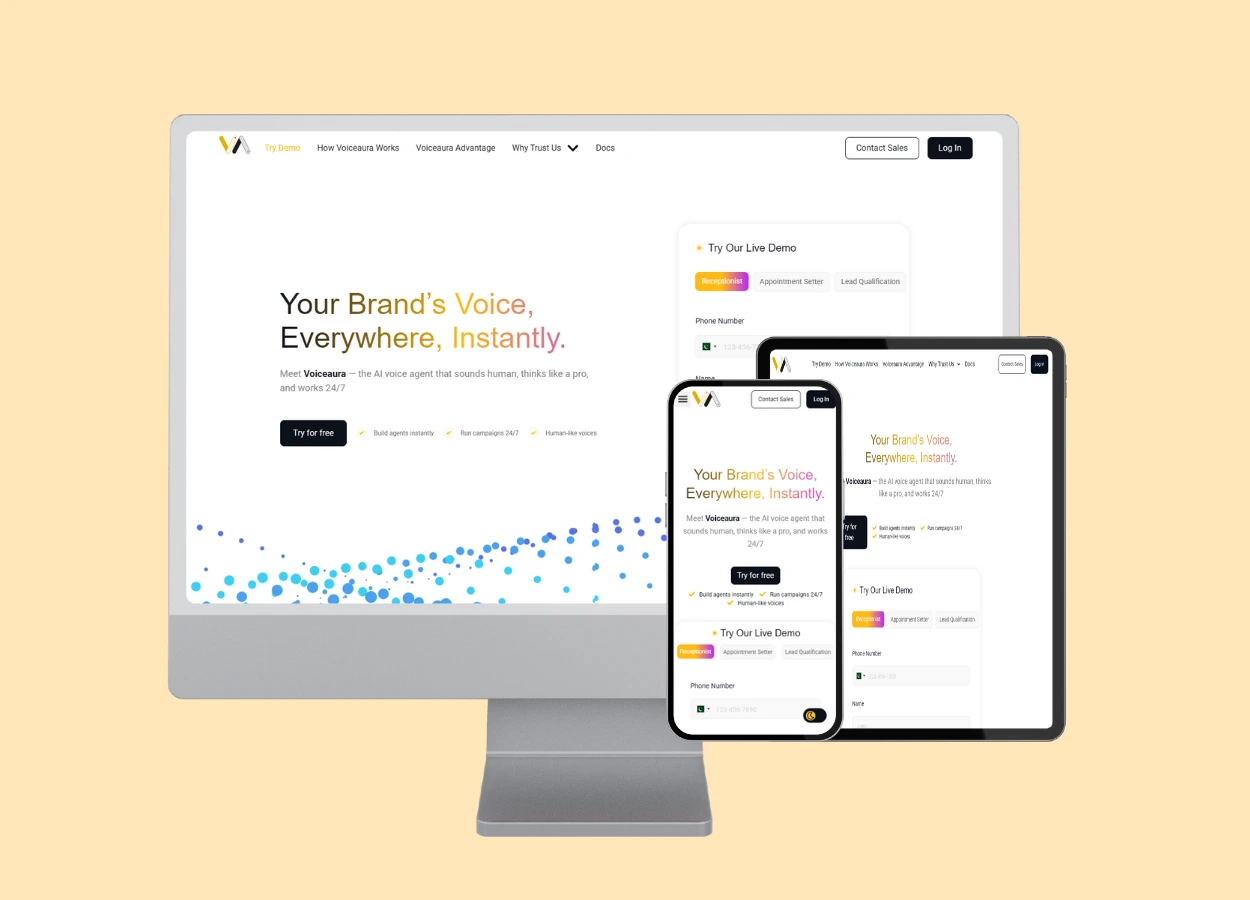
- AI-powered voice and SMS agents for instant lead engagement.
- Automated follow-ups designed to revive inactive prospects.
- High-speed outreach to contact leads the moment they enter the funnel.
- Intelligent lead qualification with appointment booking.
- AI booking assistant for seamless scheduling.
- Personalized, human-like conversations at scale.




Features
- Reduced staffing costs with always-on AI coverage.
- Instant 24/7 call handling with no missed interactions.
- Intelligent lead qualification and meeting booking.
- Automated customer support and call routing workflows.
- Seamless CRM syncing with real-time data capture.
- Scalable AI agents deployable across teams and use cases.




Features
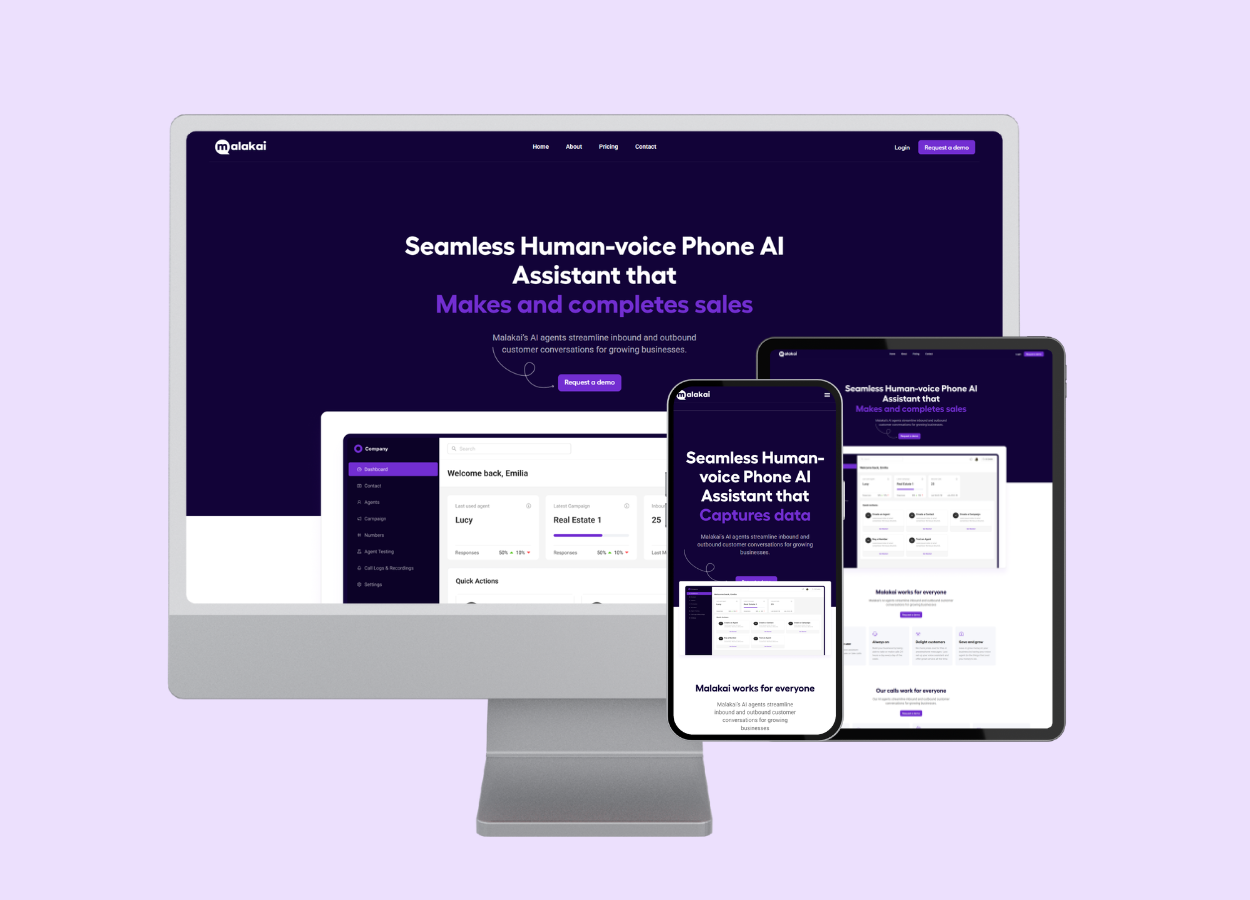
- AI voice agents designed to qualify leads and drive appointments.
- Intelligent follow-ups to re-engage inactive prospects.
- Intelligent lead qualification and automated follow-ups.
- AI-powered appointment setting and sales call automation.
- Outbound calling workflows for revenue generation.
- Scalable call operations without 24/7 human staffing.



Features
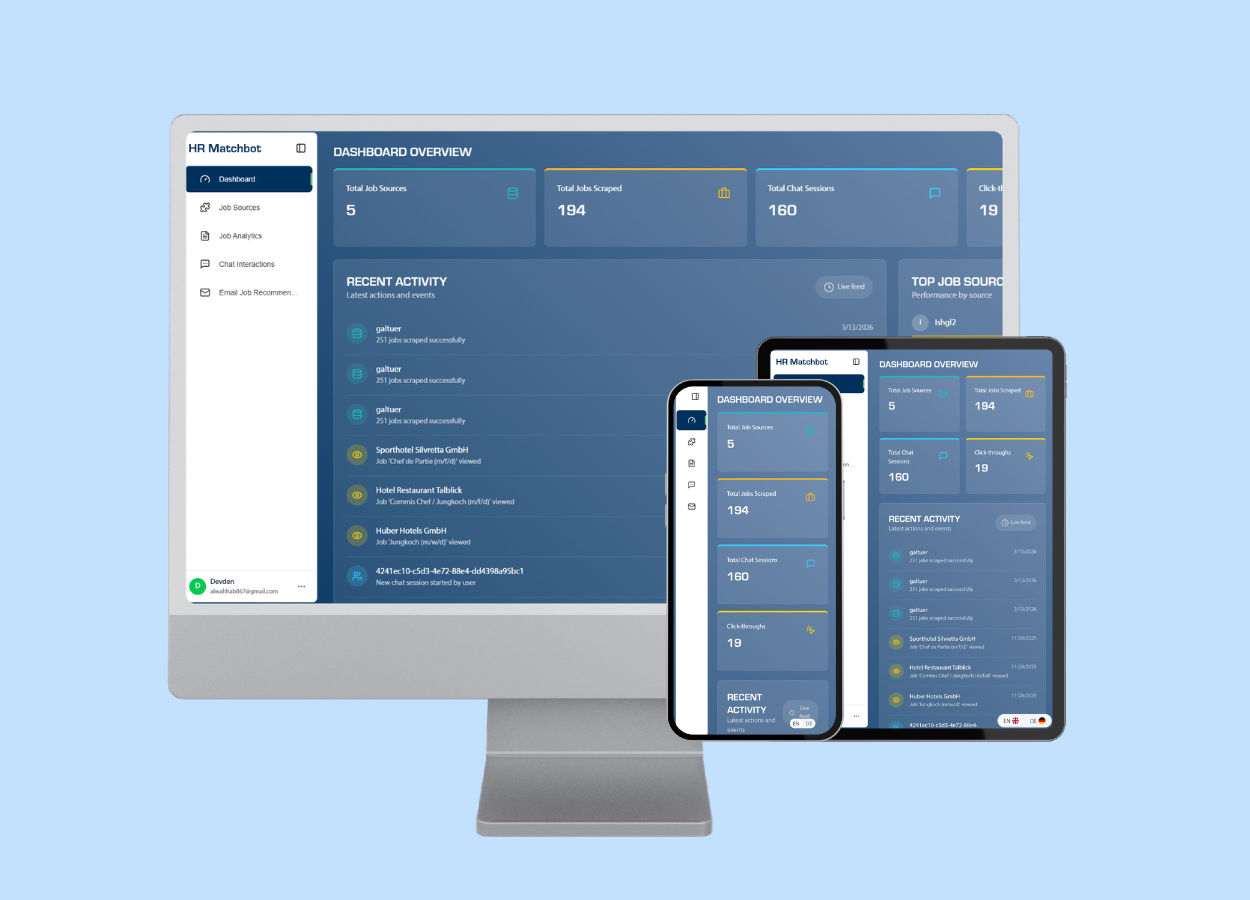
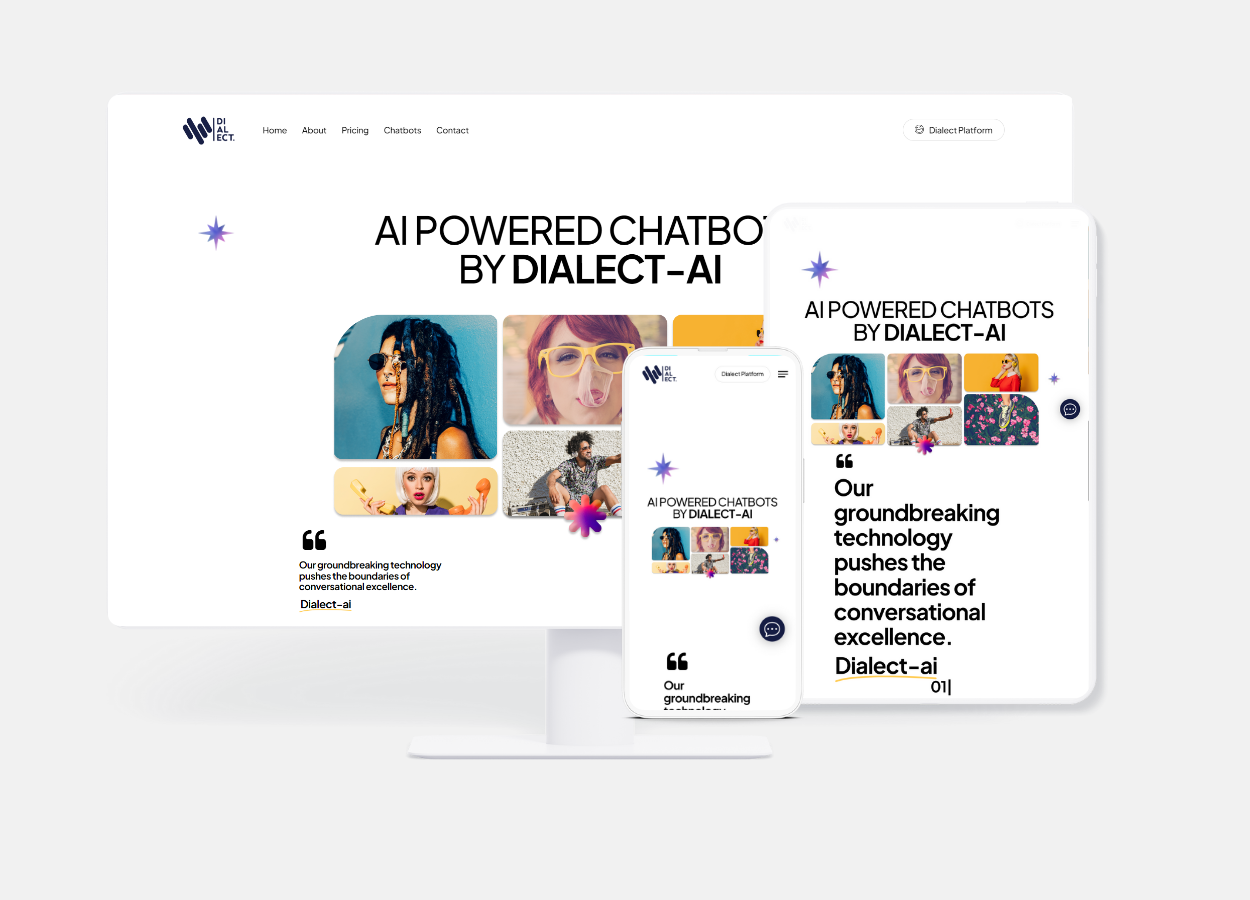
- AI-powered recruitment assistant designed for automated job tracking and analysis.
- Continuous job scraping from multiple sources to keep listings consistently up to date.
- Configurable scraping frequency allowing teams to control how often data is refreshed.
- Structured job data transformed into a clean, searchable knowledge base.
- Natural language search enabling quick, conversational access to job insights and trends.
- Centralized platform providing unified visibility across multiple job sources and roles.

Features
- AI platform for training custom chatbot agents on user data.
- Seamless deployment of trained agents across sites and apps.
- Intelligent query handling for complex user inputs.
- Condition-based responses for personalized interactions.
- Real-time data fetching for instant, accurate replies.
- Scalable framework for future growth and innovation.

Their work in AI Development is simply outstanding! With flawless attention to detail, and expert coding skills, their delivery was bug free and impressive. It was a pleasure to work with someone who is so responsive and deeply understanding; huge shoutout to the amazing team!

The team is fabulous! Their professionalism, code expertise, and thorough documentation makes them stand out in AI Development. Despite the detailed nature of my project, they ensured top quality work while being responsive, polite and proactive in communication. Loved how they listened and delivered as per international standards. Not to mention, they made it a fun experience too! Highly recommend!


The website design is visually pleasing and easy to navigate. The layout is clean and organized, making it easy to find the information you're looking for. The use of images and graphics is effective and adds to the user experience. Overall, the website design is professional and effective.


The agency owner is awesome and the team is very good, with a little guidance they delivered the final product as I wanted within the estimated time. All the team members speak good English so communication is easy and professional. I would work with them again and can't wait to proceed to the next phase of the project.

Hear it from our Partners.
Book a Strategy Call
You Could Be Our Next Success Story
Our clients trusted us with their toughest challenges and we delivered. Let’s build something remarkable together!